The Pricing Increase Mandate:
The Impact of Dollar Decline on Your Pricing
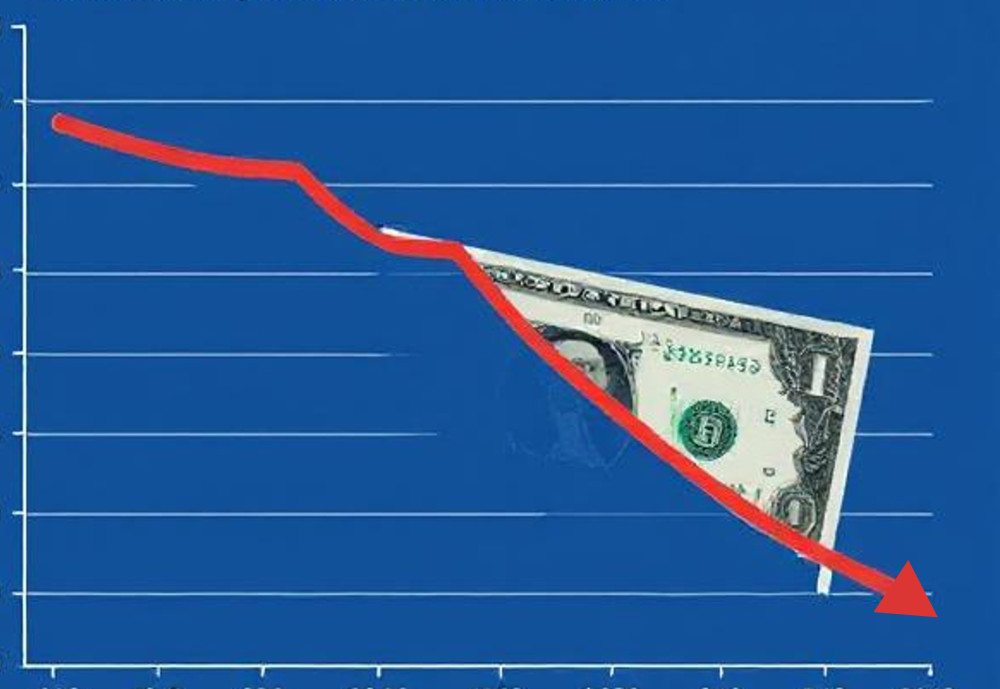
Context: In 2025 the U.S. dollar’s >10% value decline is raising input costs across globally linked supply chains. Even domestically sourced products are affected via imported components, energy, and freight. Let's seek a rigorous approach to protect margin while preserving trust.
Currency depreciation is a silent margin killer. Full stop. Leaders must treat pricing as a first-order control, not a last resort. This playbook aligns economics, messaging, packaging, and governance so you can adjust prices with data, discipline, and minimal churn.
Diagnose: Where Currency Hits Your P&L
Create a Currency Exposure Map across:
- COGS: Imported materials, components, manufacturing equipment, energy indexed to global markets.
- Opex: SaaS priced abroad, professional services, global support centers.
- Freight & Logistics: Ocean/air cargo, surcharges, insurance.
- Contracts: Clauses that fix price while inputs float.
Classify each line as High, Medium, or Low exposure. Tally the blended impact to get a Required Price Adjustment (RPA) range.
Back-of-napkin calculator:
If 60% of COGS is FX-sensitive and FX impact is +10%, gross COGS lift ≈ 6%.
Add 2% logistics + 1% SaaS/Opex → ~9% total pressure. That’s your floor for price action if you want to hold margin constant.
Choose the Right Pricing Mechanism
- List price uplift (clean, broad; risk: sticker shock)
- Surcharge with sunset (transparent macro pass-through; risk: “temporary” expectation)
- Tiered packaging (move value features up-stack; preserve entry price)
- Indexation (FX/commodity index clauses for renewals & new contracts)
- Term-for-price trades (commitment discounts vs. higher month-to-month)
Rule of thumb: If volatility may persist, prefer indexation + tiering; if the spike looks transitory, surcharge + sunset.
Communicate to Customers Without Eroding Trust
Principles
- Transparency: Name the macro driver; show how you’ve absorbed part of the shock.
- Value framing: Emphasize service levels, reliability, and total cost avoidance you preserve.
- Reciprocity: Offer loyalty add-ons (priority support, training credits, buffer stock options).
- Specificity: Provide effective dates, SKUs impacted, and any transitional grace period.
Customer letter template (editable)
Subject: Upcoming Pricing Update to Maintain Service Quality
Hi [Name],
Over the last [X] months, inputs tied to currency markets have increased notably. We’ve absorbed a significant portion through internal efficiencies, but to maintain the reliability, lead times, and support you expect, we’re updating pricing effective [date].
Average adjustment: [Y%] (range by SKU: [A–B%])
What’s not changing: service levels, SLAs, and your account team
What’s improving: [list tangible enhancements]
For existing POs received before [date], current pricing will be honored. If helpful, we can review mitigation options (contract terms, volume commitments, or phased adoption).
We appreciate your partnership and are committed to transparency.
Best,
[Exec Name]
Commercial Tactics to Reduce Churn Risk
- Segmented timing: Give strategic accounts longer notice windows or phased ramps.
- Bundle for value: Pair increases with tangible adds (implementation assistance, extended warranties, analytics).
- Offer choice: Present a surcharge path or a term-commitment path—customers choose their optimization.
- Price fences: Protect small/critical SKUs from increases to preserve footprint and upsell path.
Governance: Make Pricing a Quarterly Discipline
- Pricing council: Sales, Finance, Ops, Product, CS.
- Quarterly review: FX, commodities, logistics dashboards → decision on list/surcharge/index moves.
- Guardrails: No ad-hoc discounts beyond band without CFO approval.
- Manager scorecard: Margin by segment, discount leakage, win-loss vs. price as reason.
Equip Reps With Talk Tracks
Objection: “You’re using macro as an excuse.”
- “Totally fair to ask. Here’s the component-level chart we track and the portion we’re still absorbing. Our goal is to keep your total cost and delivery reliability predictable.”
Objection: “We can’t afford an increase right now.”
- “Let’s look at mitigations—commitment-based pricing, a phased ramp, or a feature tier that preserves your core outcomes at today’s spend.”
Objection: “Competitor isn’t raising prices.”
- “Short-term, some providers may delay. Our commitment is sustained reliability—spares, coverage, and SLAs—so you don’t pay later in downtime or misses.”
Sales Enablement Assets (Build Once, Use Often)
- FX impact one-pager (visuals, FAQs)
- Customer-segment playbooks (manufacturing vs. SaaS vs. distribution)
- ROI/impact calculators (baseline margin preservation, downtime risk avoidance)
- Renewal sequencing plan (who’s up next quarter; escalation paths)
Measure What Matters
- Gross margin % and $ by cohort (pre/post change)
- Price realization (list uplift vs. net after discounts)
- Churn & downgrade rate in 60–120 days post-increase
- Sales cycle length for new deals under new pricing
- Surcharge sunset adherence (credibility metric)
Case-Style Example (Illustrative)
A mid-market industrial supplier with 58% FX-exposed COGS saw a blended 8.7% cost uplift. They executed a 6% list increase, a 2% surcharge (6-month sunset), and introduced indexation in new MSAs.
Results at 90 days: margin rebounded within 40 bps of target, churn <1.2%, and NPS steady after proactive exec outreach to top 50 accounts.
Conclusion
You can’t control currency, but you can control pricing discipline. Treat it as an always-on operating muscle—measured, fair, and transparent—and you’ll defend margin without sacrificing trust.